Table of Contents
In today’s busy fashion world, just throwing a bunch of bracelets together won’t cut it. Customers walk in, look around for ten seconds, and leave if nothing grabs them. A smart, hand-picked collection does the heavy lifting for you. It pulls in different kinds of shoppers, moves stock quickly, and brings people back again and again. Mix a few pieces that never go out of style with whatever is hot right now, and suddenly you have something for the quiet girl who wants one thin bangle and for the loud friend who stacks ten bracelets at once.
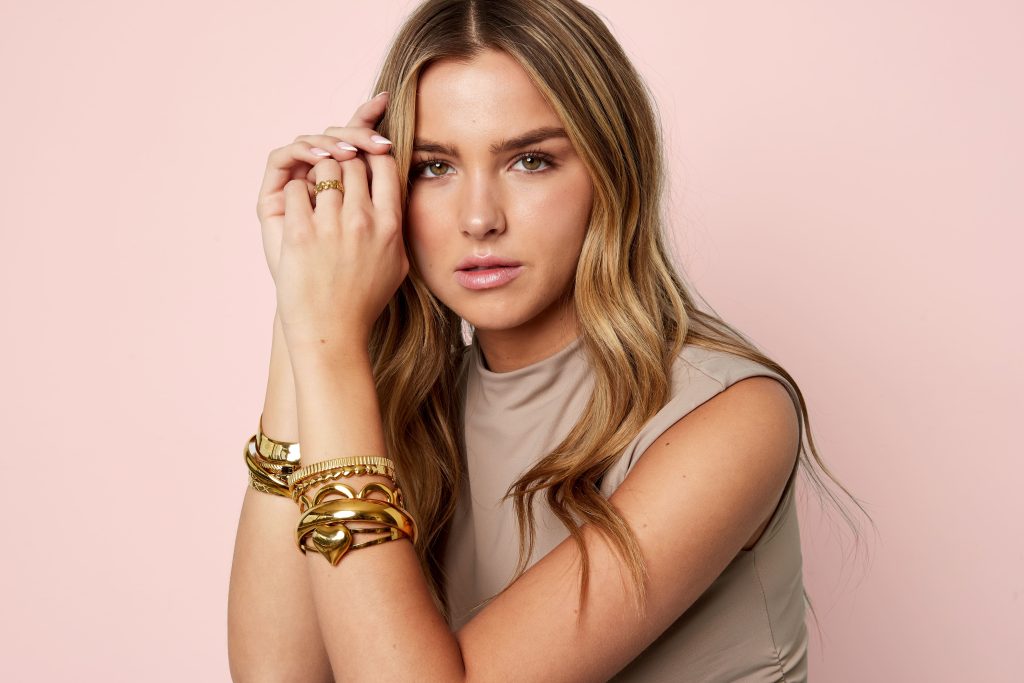
YEHWANG gives you more than 1,700 different bracelet styles to pick from – everything from tiny charm bracelets to thick chain ones. That huge choice makes it simple to keep your shelves fresh and match what people actually want to buy, no matter the season or occasion.
Understanding Your Wholesale Goals
Stop and think before you fill your cart. Who walks into your store most days? Teenagers hunting for cute, cheap stuff? Working women who want something classy they can wear to the office? Or maybe gift shoppers who need something under 20 bucks? Know your crowd. Decide if you want to sell at low prices with big volume or higher prices with fatter profit on each piece. Look through YEHWANG’s catalog every week. We add new items all the time, so you can spot what’s trending before everyone else does. Get this part clear from day one. It stops you from buying a ton of stuff that sits forever and helps you grow steady sales instead of just holiday spikes.
Choosing the Right Product Mix
Balancing Classic and Trendy Styles
Never put all your money on trendy pieces only. They sell like crazy for two months, then nobody wants them. Keep a solid base of simple, classic bracelets – plain gold or silver bangles, thin chain styles, little bead strands in neutral colors. Those sell all year long, rain or shine. At the same time, grab a handful of the hot items. Right now, for example, tiny star charms, evil-eye beads, colorful resin rings, and chunky paper-clip chains fly off the table with younger customers. YEHWANG stocks both kinds, so you can fill half your order with safe classics and half with the fun, new stuff without guessing wrong.
Offering a Range of Materials and Finishes
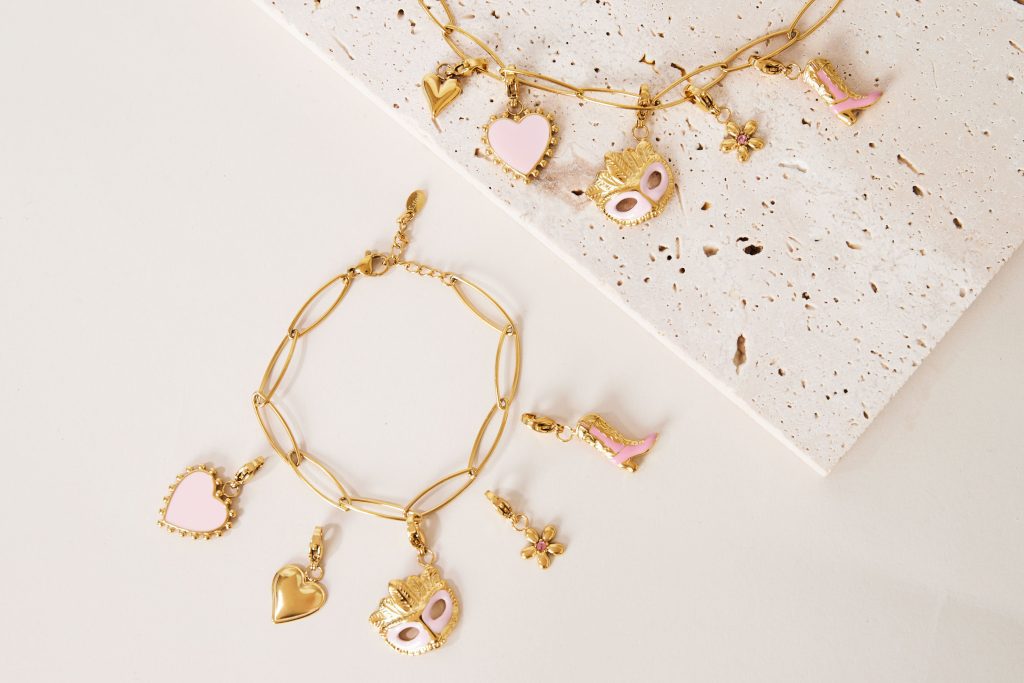
Give people choices. Some want shiny metal. Others love wooden beads or soft leather cords. A few want fabric wrap bracelets for summer. Keep gold tone, silver tone, and rose gold in stock because those three colors match almost any outfit. Most YEHWANG bracelets are made of stainless steel with a thick 2.5 micron layer of 14k or 18k gold plating. That plating means the color stays pretty even if the customer showers or swims while wearing it. No green marks on the skin, no quick fading – customers notice that and come back.
Considering Adjustable and Size-Inclusive Options
Nothing kills a sale faster than “Sorry, we don’t have your size.” Adjustable chains, sliding knots, or extra links fix that problem. People grab the bracelet and buy it right then because they know it will fit. YEHWANG has tons of pieces that adjust easily, so you hardly ever get returns because of size.
Pricing for Profitability
Setting Competitive Retail Prices
Check what other stores near you charge for the same look. Then work backward. Add your rent, bags, tags, shipping, everything. YEHWANG’s wholesale prices start as low as €0.27 for simple cord bracelets and go up to €36.95 for fancy multi-layer sets. That spread lets you sell cute pieces for $8–$12 and still make money, or mark the nicer stainless steel ones up to $35–$50 and smile when they ring up.
Tiered Pricing Strategies for Volume Sales
Customers love a deal. Try simple bundles: buy 3 bracelets, get 10% off; buy 5, get 15% off. Around Christmas or Valentine’s, throw in a free gift box when they spend $50. Those little tricks push the average sale from one bracelet to three or four at once. Because YEHWANG sells so many matching styles, putting together pretty bundles is easy.
Managing Inventory Effectively
Stocking Based on Sales Data Trends
Write down what sells. If the evil-eye bead bracelets disappear in two days every time you restock, buy more of those. If the big chunky turquoise ones just sit there, buy fewer next time. A simple notebook or basic spreadsheet works fine. YEHWANG adds new pieces every week, so you can jump on whatever is suddenly popular.
Avoiding Overstock of Slow-Movers
Too much dead stock eats your money. Once a month, walk your display and move anything that hasn’t sold in 60–90 days to a sale basket. Mark it down just enough to move it out. Use YEHWANG’s low minimum order rule – sometimes only 6 or 12 pieces – to try new styles without getting stuck with 200 pieces nobody wants.
Leveraging YEHWANG’s Product Lineup
Exploring Our Bracelet Categories
Everything is sorted nicely on the website: sweet charm bracelets, statement bracelets, cuff bracelets, beaded bracelets, bangles and chain bracelet styles. Festival girls grab the colorful beaded stacks. Office ladies pick the thin gold chains. You can match the category to the people who shop with you the most.

Using New Arrivals to Stay On-Trend
Check the “New In” page every Monday morning. This June, we dropped pastel candy-color beads right before summer – those sold out in ten days at many stores. Put the brand-new items front and center, snap a quick photo of them stacked on your arm, post it, and watch the orders roll in.
Marketing Your Bracelet Collection
Displaying Bracelets for Visual Appeal
Don’t just dump them in a bowl. Use a tiered stand so customers can see many at once. Group by color: all the pinks together, all the gold tones together. Add a small mirror so people can try stacks right there. Put the best-selling pieces on a small table next to the cash register. Nine times out of ten, someone adds one more bracelet while paying.
Promoting Through Social Media & Pop-Ups
Take real photos – not perfect studio shots. Show a girl at the beach wearing five colorful bracelets, or someone at coffee with a delicate gold stack. Short 8-second videos of mixing and matching do better than still pictures. Once in a while, set up a tiny pop-up table at a local market on Saturday. Bring 200–300 euros worth of bracelets, and you often sell most of them in four hours.
Conclusion
Putting together a bracelet collection that actually sells is not rocket science, but it does take a plan. Know your customers. Mix safe classics with a few exciting new pieces. Keep sizes adjustable. Price fairly. Watch what moves and what doesn’t. Refresh often. Show everything in a pretty, easy-to-shop way. That’s it.
YEHWANG makes the whole job simpler with our giant choice, fair prices, tiny minimum orders, and new stuff every week. Whether you’re just opening your first little shop or you already run ten stores, we have what you need to keep customers happy and your cash register ringing.
FAQ
Q: How do I know which YEHWANG bracelets will sell best?
A: Start with a mix of classic and trendy styles across materials; monitor customer response and reorder top performers regularly.
Q: How often should I refresh my bracelet inventory?
A: Ideally, every 4–6 weeks; use YEHWANG’s frequent new arrivals to stay ahead of seasonal trends.
Q: What bracelet price range works best for retail?
A: Most retailers succeed with a $10–$30 range, depending on materials; factor in your markup from YEHWANG’s wholesale cost.
Q: Can I order small quantities from YEHWANG to test new styles?
A: Yes, our low minimum order policy makes it easy to trial new products without over committing inventory.
Q: How can I display bracelets effectively in-store?
A: Use vertical displays or stackable trays sorted by theme or color; highlight bestsellers from YEHWANG near checkout areas for impulse buys.